แนวคิดStatement
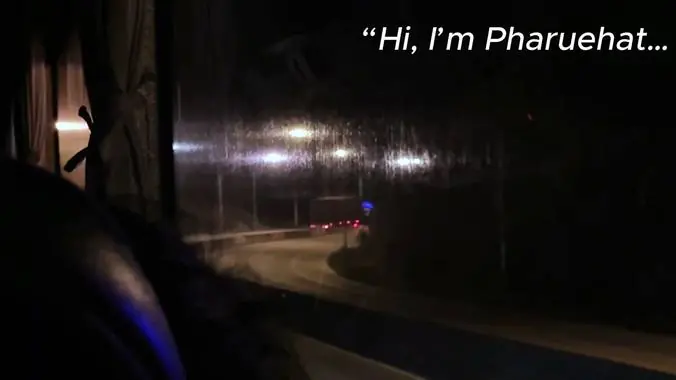
Met(er) เริ่มจากการบันทึกบทสนทนาระหว่างพฤหัสกับคนขับแท็กซี่ บนรถแท็กซี่ ซึ่งไม่ใช่ทั้งพื้นที่สาธารณะและพื้นที่ส่วนตัว แต่เป็นจุดที่คนแปลกหน้าจำเป็นต้องอยู่ร่วมกันชั่วคราว เสียงสนทนาเหล่านั้นถูกนำมาตัดต่อเชิงทดลองจนกลายเป็นเพลง โดยจัดจังหวะให้เผยช่องว่าง ความลังเล และอารมณ์ที่หลุดรอดออกมานอกถ้อยคำ
บทสนทนาเล่าเรื่องสภาพเมืองและร่องรอยของชนชั้นผ่านความไม่ตั้งใจของมันเอง ผ่านลมหายใจ น้ำเสียง ถ้อยคำ และความเงียบที่มักถูกมองข้าม งานจึงทำหน้าที่เป็นพยานต่อความจริงเล็ก ๆ ที่ไม่มีที่ทางในประวัติศาสตร์กระแสหลัก และชวนผู้ฟังเข้าสู่การฟังโดยไม่ตัดสิน เพื่อเผชิญกับความเป็นจริงที่เปลือยเปล่าของชีวิตเมืองร่วมสมัย
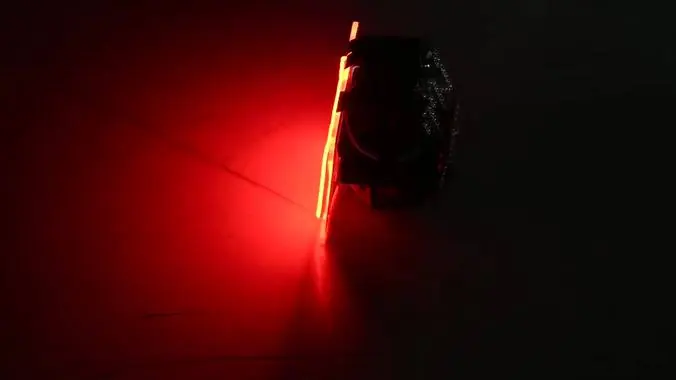
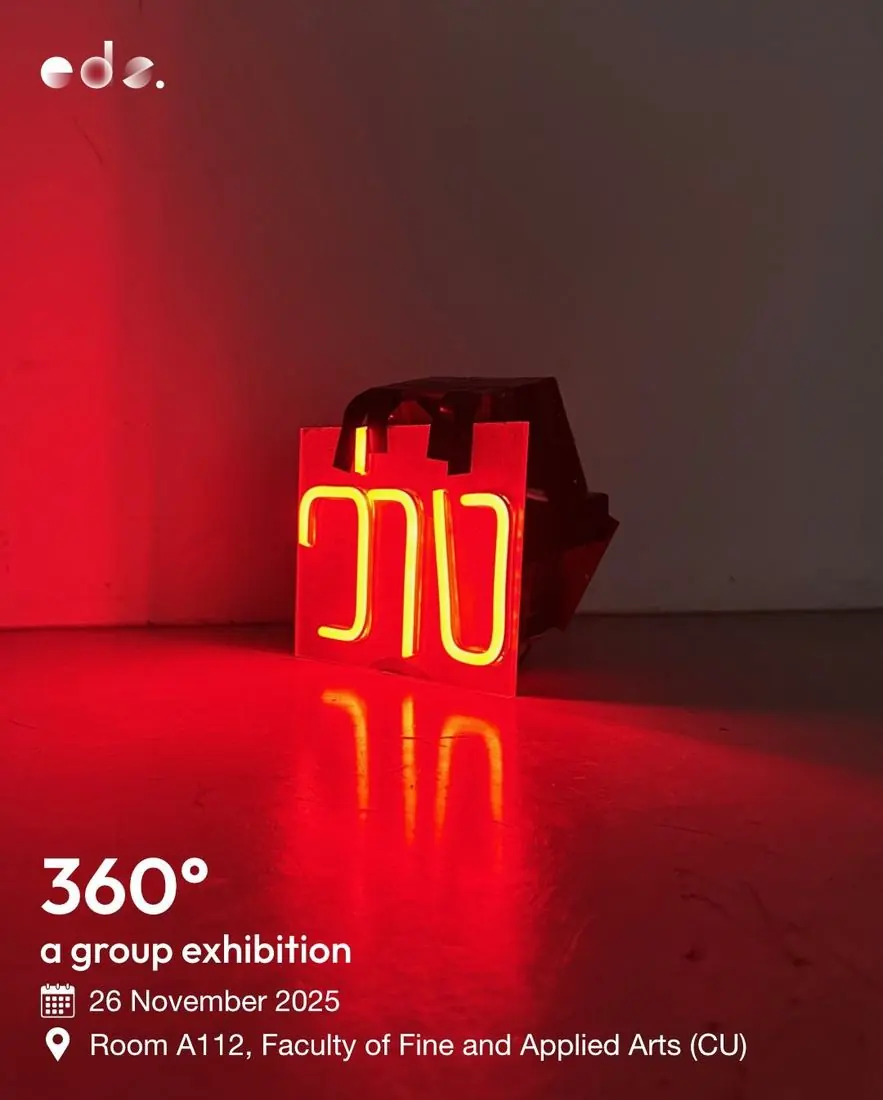
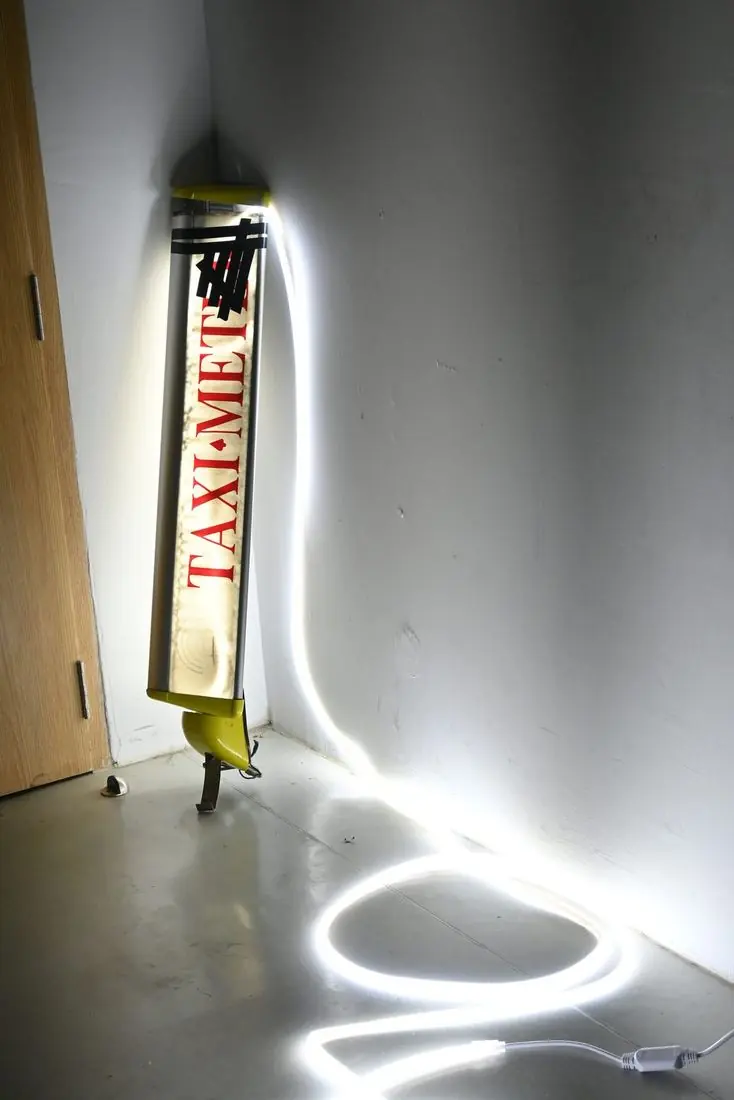
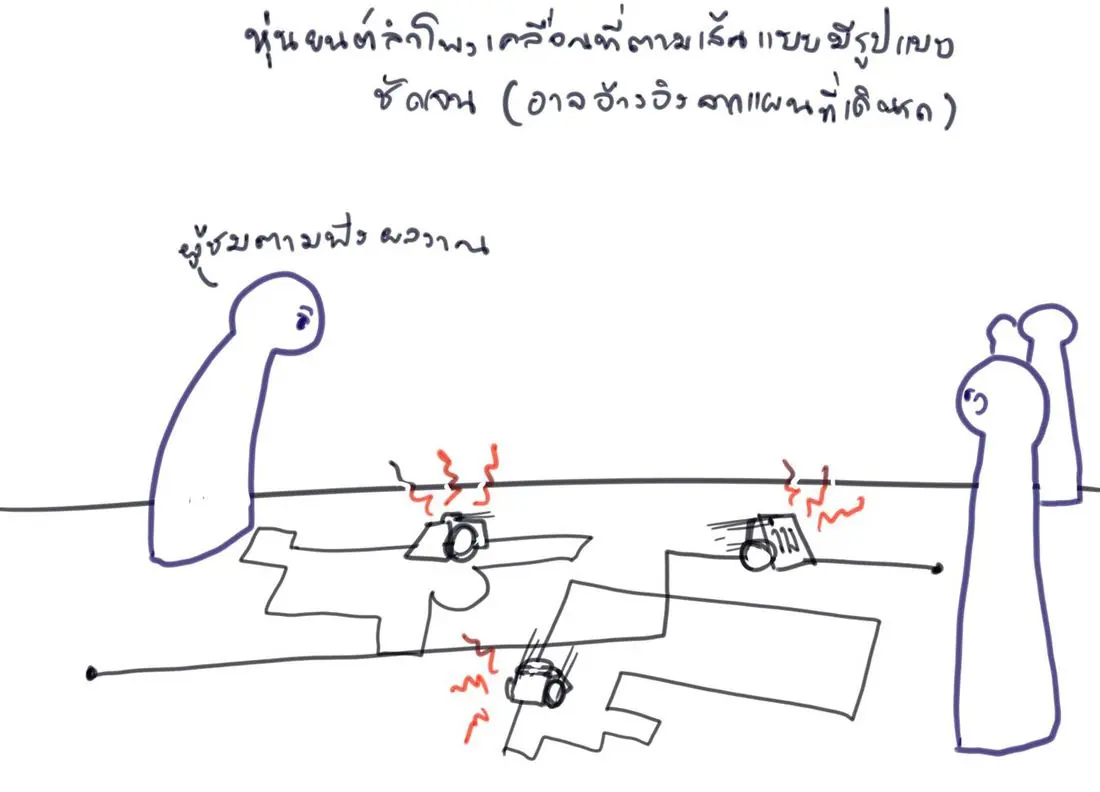
เพลงนี้เล่นผ่านลำโพงที่วิ่งได้ ซึ่งพฤหัสประกอบขึ้นจากชิ้นส่วนของแท็กซี่เก่า อย่างป้าย "ว่าง" สีแดงและป้ายหลังคา TAXI-METER ลำโพงเคลื่อนไปทั่วพื้นที่แสดงงาน ผู้ชมต้องเดินตามจึงจะได้ยินบทสนทนา การเคลื่อนที่ของมันเป็นตัวแทนของความไม่มั่นคงและการเดินทาง ส่วนวัสดุที่มาจากรถแท็กซี่จริงทำหน้าที่ราวกับเศษซากทางกายภาพของเศรษฐกิจเมือง
บนป้ายหลังคา ตัวอักษร ER ถูกปิดด้วยเทปดำ เหลือเพียง TAXI·MET ชื่องานจึงแยกคำว่า meter ของมิเตอร์ค่าโดยสารออกเป็นสองส่วน อ่านได้ทั้ง met การได้พบกันของคนแปลกหน้า และ er เสียงลังเลที่แทรกอยู่ระหว่างประโยค
ผลงานจัดแสดงในนิทรรศการกลุ่ม 360° ที่คณะศิลปกรรมศาสตร์ จุฬาลงกรณ์มหาวิทยาลัย และป้าย "ว่าง" สีแดงของงานชิ้นนี้ถูกใช้เป็นภาพหลักของนิทรรศการ
Met(er) begins with recorded conversations between Maneekarn and taxi drivers. A taxi is neither public nor private space; it is a place where strangers are obliged to share a few minutes together. The recordings were cut experimentally into a song, its rhythm arranged to expose the gaps, the hesitations and the feelings that slip out between the words.
The conversations tell of the city and the marks of class through their very lack of intent: through breath, tone, phrasing and the silences usually passed over. The work stands as witness to small truths that have no place in mainstream history, and invites the listener to listen without judging, and to meet the bare reality of contemporary city life.
The song plays from speakers that move, built by the artist from the parts of an old taxi: the red "ว่าง" (vacant) sign and the TAXI-METER roof sign. They travel across the exhibition space, and visitors have to follow them to hear what is being said. Their movement stands for instability and passage; the parts salvaged from real taxis act as physical debris of the urban economy.
On the roof sign the letters ER are taped over in black, leaving TAXI·MET. The title splits the fare meter's word in two: met, the meeting of strangers, and er, the hesitant sound between sentences.
The work was shown in the group exhibition 360° at the Faculty of Fine and Applied Arts, Chulalongkorn University, where its red "vacant" sign became the exhibition's lead image.
ข้อมูลการจัดแสดงExhibition details
- สื่อMedium
- ศิลปะจัดวางเสียง, วัตถุสำเร็จรูป (ชิ้นส่วนแท็กซี่เก่า เช่น ป้าย "ว่าง" และป้ายหลังคา TAXI-METER), ลำโพงเคลื่อนที่, เพลงจากเสียงบันทึกบทสนทนาSound installation, found objects (old taxi parts including the "vacant" sign and the TAXI-METER roof sign), mobile speakers, a song built from recorded conversation
- นิทรรศการExhibition
- 360° นิทรรศการกลุ่มว่าด้วยโรงเรียนศิลปะในฐานะพื้นที่ทดลองของระบบนิเวศศิลปะ และมุมมองต่อยุคสมัยที่เน้นเส้นทางที่กำลังดำเนินอยู่มากกว่าจุดหมาย360°, a group exhibition on the art school as an experimental ground within the art ecosystem, and on a view of the present that favours the ongoing over the destination
- ร่วมแสดงกับWith
- Thanaboon Pobumrung, Nicharrat Anantathirawat, Jinatus SoncharoenThanaboon Pobumrung, Nicharrat Anantathirawat, Jinatus Soncharoen
- วันที่Date
- 26 พฤศจิกายน 202526 November 2025
- สถานที่Venue
- ห้อง A112 คณะศิลปกรรมศาสตร์ จุฬาลงกรณ์มหาวิทยาลัยRoom A112, Faculty of Fine and Applied Arts, Chulalongkorn University